






Steak-Frites to Flexitarian: How French Eating Habits Are Changing
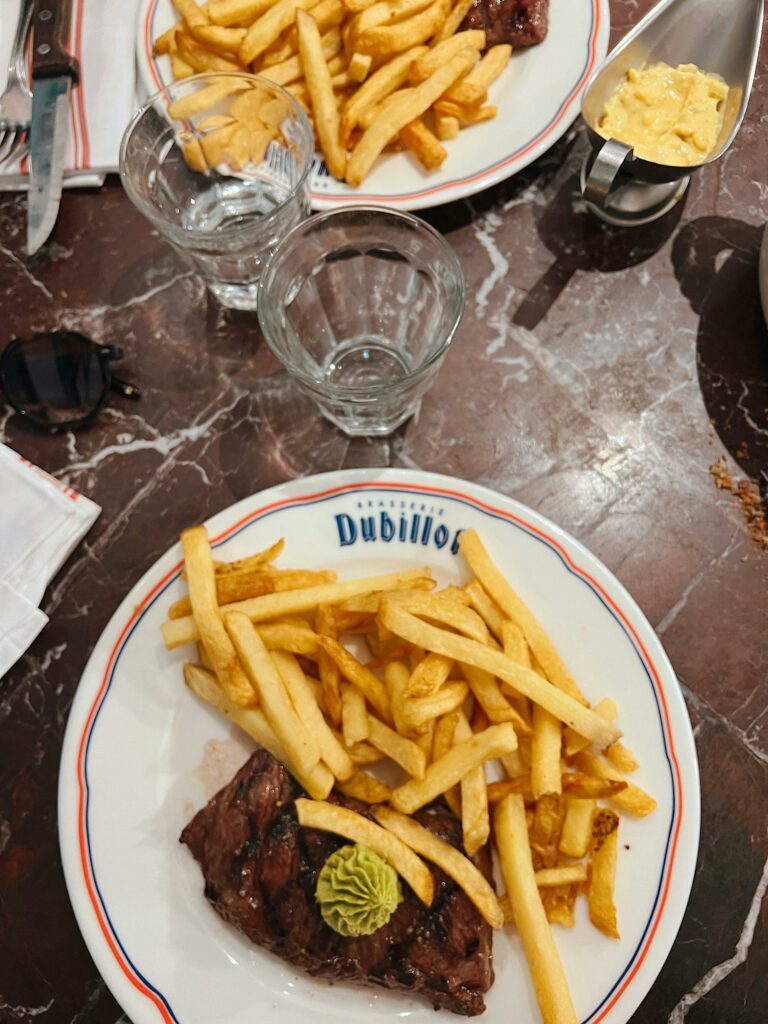
For many, French food conjures images of steak-frites and boeuf bourguignon, buttery sauces and crusty baguettes, pâté and foie gras. It is cuisine steeped in tradition, regional pride, and convivialité—food as culture, not just nourishment. But beneath these storied plates, something profound is changing. In 2025, French eating habits are neither as static nor as stereotypical as many imagine.
Across France, dietary patterns are evolving under the influence of health, economics, sustainability, and global food trends. While traditional favorites remain loved, a growing number of French consumers are rethinking their relationship with meat, embracing plant-forward choices, and redefining what it means to eat well in the 21st century. This shift—subtle yet significant—encapsulates a broader cultural transformation that is reshaping French cuisine from the inside out.

The Roots of French Cuisine: Pleasure Meets Identity
French cuisine has long been prized for its complexity and heritage. In the traditional view, meals are rites of passage—often measured in courses, savored slowly, and anchored in quality ingredients. The French approach to eating historically balances pleasure and social connection: conversations unfold over shared plates, wine is sipped with respect for terroir, and quality often trumps speed. This philosophy helps explain why, even amid shifts, the French continue to associate food with identity and joy.

Yet this romantic ideal masks a more nuanced reality. Modern life—with its rising costs, health awareness, and environmental anxieties—is reshaping even the most quintessentially French meal.
Emerging Trends: The Flexitarian Wave
For decades, the French diet was categorized by omnivory and a strong cultural attachment to animal protein. Historically, meat has been central: steak, roast, charcuterie, game, poultry—symbols of regional terroir and culinary heritage. But recent insights show this attachment loosening. A survey conducted for the Climate Action Network (RAC) in early 2025 found that a majority of French people have reduced their meat consumption over the past three years, with motivations ranging from financial constraints to health and environmental concerns.
Importantly, this trend is not about rejecting tradition—but about eating differently. The concept of flexitarianism—a semi-vegetarian approach emphasizing mostly plant-based eating with occasional meat consumption—has gained traction among French consumers. Flexitarianism encourages flexibility rather than strict avoidance, allowing meat on special occasions while prioritizing vegetables, legumes, and grains the rest of the time.
The term itself is well established: combining flexible and vegetarian, it describes a growing mindset wherein meat is enjoyed less frequently and more thoughtfully. According to a 2021 IPSOS survey, a third of French people said they knew precisely what flexitarianism was, and nearly two-thirds had heard of the concept—indicating rising awareness of this way of eating.
Meat Consumption: Decline, Substitution, and Rebalancing
The statistical picture of meat eating in France confirms this evolution.
A Smart Protein report shows that 58% of French meat consumers reported reducing their annual meat intake as of 2023, signaling a widespread shift rather than a fringe trend. Similarly, independent polls have found that many French are eating meat less often, even if they still value meat on the plate.
What does this mean in practice? It doesn’t mean the disappearance of meat from French tables, but rather a rebalancing of dietary priorities:
- Red meat consumption is trending down over the long term, with younger generations less likely to see daily cheese or heavy protein as essential.
- Poultry, fish, and plant proteins are gaining favor as alternatives.
- Nearly half of French consumers say they would substitute animal proteins with legumes, pulses, or plant-based alternatives if taste, price, and texture improve.
Interestingly, taste remains a deciding factor. One challenge for the flexitarian movement in France is that plant-based meat alternatives are sometimes perceived as overly processed or unsatisfying compared with their traditional counterparts. Yet trust in plant-based products has grown significantly, with 37% of French consumers reporting higher confidence in these alternatives than a few years ago.
Why the Shift? Health, Environment, Economy
Several forces drive this transformation:
Health Awareness
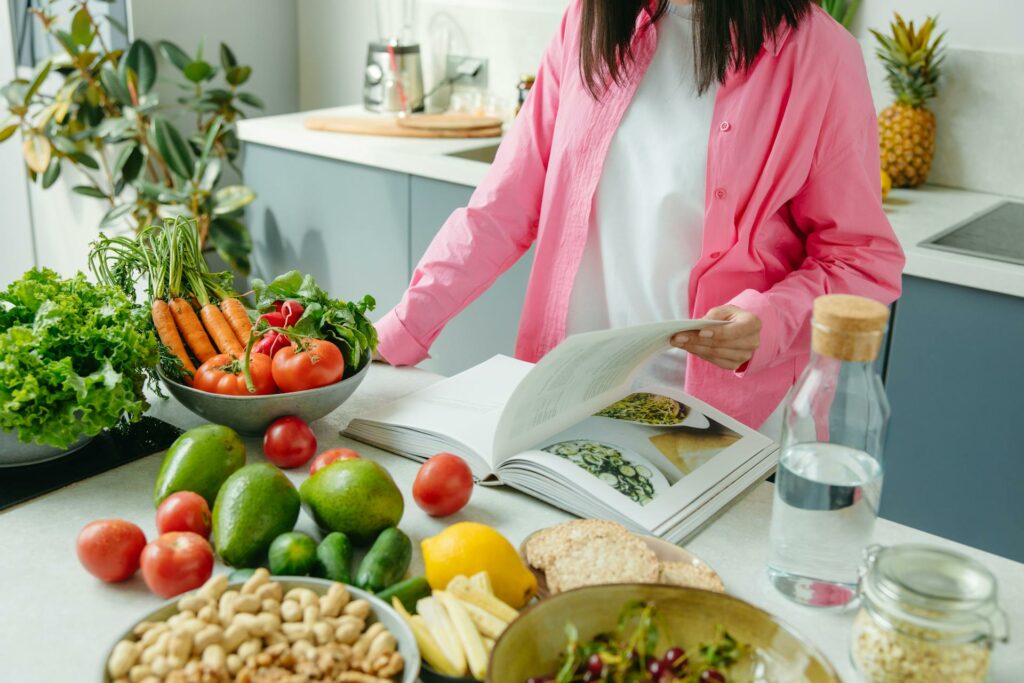
Concerns about cardiovascular health, diet-related disease, and longevity encourage moderation. Many French consumers still relish rich dishes, but they increasingly balance them with vegetables, seasonal produce, and lighter fare. The longstanding cultural value of portion control contributes to this balance.
Environmental Impact
Food production accounts for a significant share of household carbon footprints. A substantial portion of French respondents say they would eat less meat if it meant supporting sustainable farming practices and reducing imports.
Economic Realities
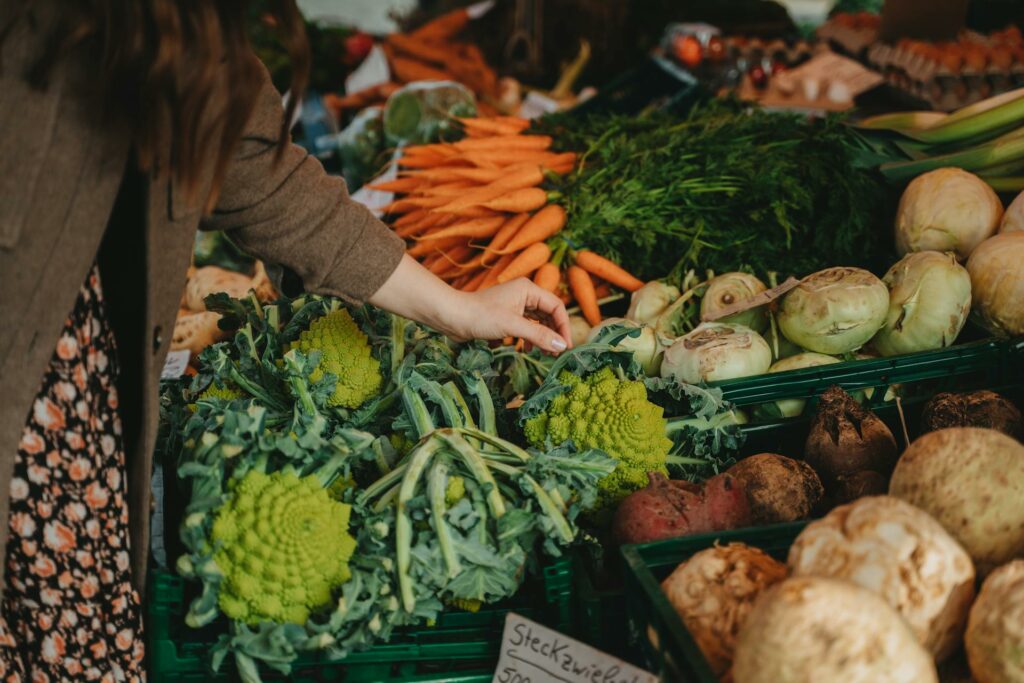
Inflation and cost pressures also play a role; meat is generally more expensive than staples like legumes or vegetables, prompting many households to rethink their food budgets without sacrificing quality.
Flexitarianism and the French Food Industry
France’s food industry is responding—albeit incrementally.
While historically meat and cheese dominated product launches, the market for vegetarian and plant-based foods has expanded dramatically in recent years. Between 2021 and 2023, plant-based meat sales in France grew by over 30%, reaching hundreds of millions in annual value, and early data from 2024 indicates continued momentum.
Cheese, once seen as a potential obstacle to flexitarian diets due to its high consumption rates, is being reimagined as part of vegetarian meals—even as a meat substitute in some contexts. Younger consumers in particular are willing to experiment with cheese-based alternatives as part of balanced eating patterns.
Major brands and artisanal producers alike are experimenting with new formats: plant-based eggs, dairy alternatives, and hybrid products that merge familiar flavors with reduced animal content. Still, barriers remain: taste, price, and distribution challenges slow broader adoption of plant-centric options.
Cultural Pushback: Meat Loyalty and Gastro-Nationalism
Even as many French reduce their meat intake, there is no monolithic shift toward vegetarianism. A lively and vocal cultural countercurrent celebrates traditional meat-centric gastronomy in a movement sometimes dubbed gastro-nationalism. A 2025 Le Monde analysis highlighted a resurgence of rustic, meat-focused dining venues and social media communities that valorize steak, pâté, game, and other carnivorous staples as expressions of French heritage.
These spaces—and the identities they cultivate—remind us that food is not merely consumption: it is symbol, memory, and identity. For some, meat-heavy cooking embodies regional pride and cultural preservation, even as others embrace moderation for ethical or health reasons. The result? A national palate that is plural, expressive, and sometimes contradictory.
Generational and Demographic Nuances
Younger generations are particularly influential in shaping new eating patterns. Millennials and Gen Z are more likely to identify with flexitarian ideals and to request vegetarian options in restaurants—but this doesn’t necessarily mean full vegetarianism. Surveys show that while only a small minority fully abstain from meat, a significant share engages in meat reduction and mindful consumption.

Urban populations, too, tend to adopt dietary shifts more readily than rural areas—where traditional cuisine and meat consumption remain stronger. These demographic divides underscore how French eating habits are not collapsing into a single trend, but branching into multiple, coexisting ways of approaching food.
A Broader Global Influence and Innovation
France’s dietary evolution doesn’t happen in isolation. Global trends toward plant-based eating, sustainability, and fusion cuisine increasingly influence how French people cook and eat at home and in restaurants. Ingredients and techniques once considered foreign—from curried spices to soy sauce and chili flakes—now coexist with traditional staples in modern French kitchens.
Restaurants across Paris and beyond are also responding, with many menus now featuring vegetarian or vegan options and dairy-free alternatives even for classic dishes. This is a clear move toward inclusivity—and recognition that French food culture can honor its roots while embracing diverse preferences.
Why It Matters Beyond the Plate
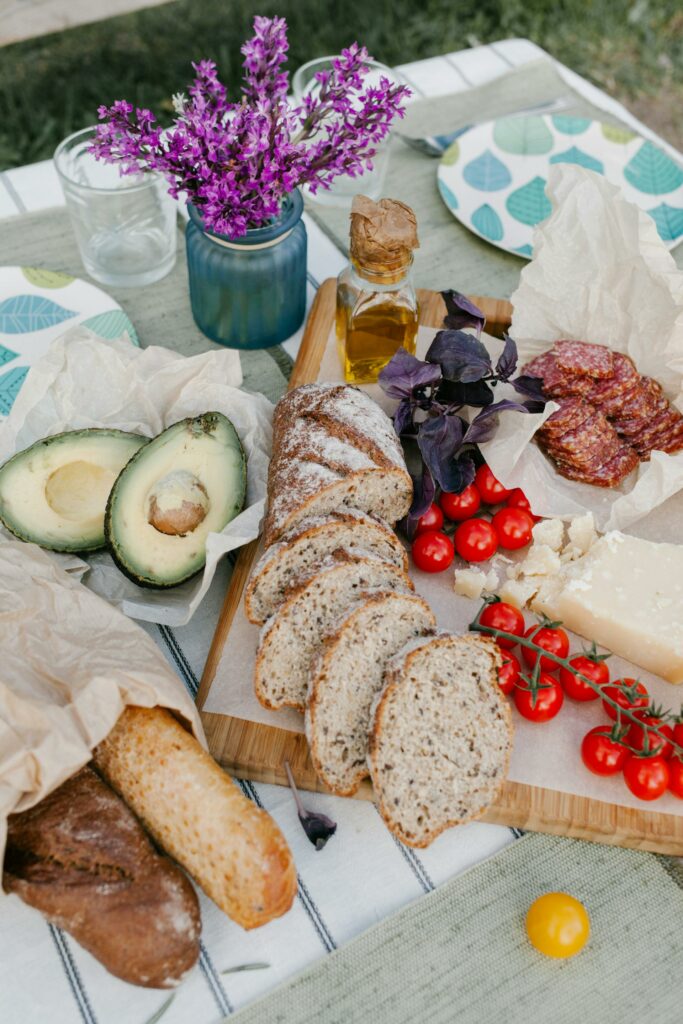
Understanding these shifts offers insight not just into what French people eat, but how they think about eating: food as pleasure, as community, as ethical practice, and as a reflection of cultural evolution. The French approach to food remains deeply social—meals shared with friends and family, conversation as important as the dishes themselves—a reminder that how we eat is as significant as what we eat.
French culinary identity is not disappearing; it is transforming—subtle, nuanced, and profoundly human.
Sources:
Le Monde – Coverage of meat consumption, flexitarianism, and food culture debates in France
Réseau Action Climat (RAC) – Surveys on French attitudes toward meat reduction and sustainability
IPSOS France – Public opinion studies on flexitarian and vegetarian trends
ProVeg / Smart Protein Project (EU) – Consumer reports on plant-based diets in France
Statista France – Data on dietary habits by age group
Mintel (Food & Drink, France) – Market insights on flexitarian and food trends
SIAL Paris – Reports on innovation and evolving food consumption
UNESCO – Le repas gastronomique des Français (2010)
Header Photo Credit: Alexy Almond https://www.pexels.com/photo/people-getting-food-3757992/
About the Author

Geraldine Provost is a Paris-based freelance writer with a diverse portfolio of blog contributions covering travel, gastronomy, entertainment, and more. She specializes in sharing her experiences in luxurious hotels and has a keen interest in the art-de-vivre à la française. When she is not writing, she can often be found enjoying the sun of the southern region of France.
Related Posts

When Provençal Flavors Meet California Cuisine →

A Winter Wonder: The Magic of Germany’s Molehill Cake—Reimagined as a Winter Dome Cake with Cinnamon Plums →

The Most Anticipated Restaurant Openings in Paris This Season →












Fantastic read! This article does an excellent job of breaking down what smart homes are and how they’re transforming modern…